The Presentation
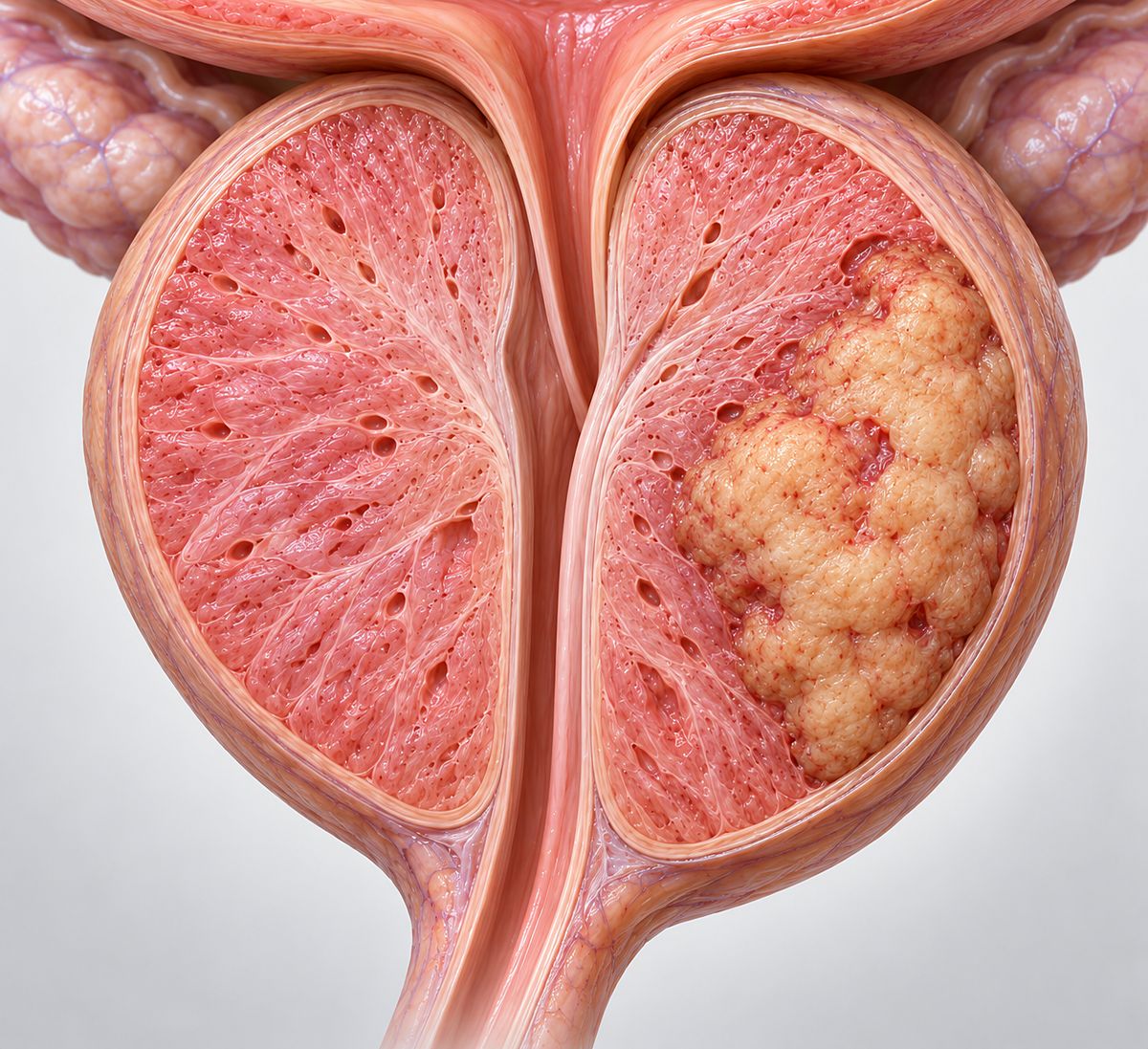
A man was found to have high-risk Prostate Cancer. His history included abdominal tuberculosis, for which he had needed an operation for a perforation of the bowel, and he also had chronic kidney disease (CKD).
Why This Case Was Complex
- A previous abdominal operation. Earlier surgery in the abdomen can leave scar tissue (adhesions), which can make a keyhole or robotic operation in the pelvis more difficult.
- Chronic kidney disease. Reduced kidney function affects anaesthesia, fluids, medicines and the scans that can be used, and it needs careful monitoring around surgery.
- High-risk disease. The cancer was more likely to spread or return, so the plan had to balance cure against the added risks of his health history.
The Approach
After discussion of the options, the plan was surgery. Dr. Anshuman Singh performed a robotic radical prostatectomy.
The Outcome
- Short stay: he went home on the second day after surgery.
- Follow-up is by regular PSA checks and kidney function tests, and any further treatment is planned from the pathology report.
Key Takeaways for Patients
- A previous abdominal operation does not always rule out robotic surgery. It does need to be planned for.
- Kidney disease needs special care around any operation. Tell your surgeon and anaesthetist about it, and about every medicine you take.
- For high-risk Prostate Cancer, treatment is planned as a sequence. The pathology report after surgery guides what comes next.
- Each person's history is different. The best treatment is the one chosen after your own reports and health are reviewed.
Read more about Prostate Cancer, robotic prostatectomy and recovery after robotic prostatectomy.
Every patient is different. This case describes one patient's treatment and is not a guarantee of similar results. It is shared for education, with the patient's consent and without identifying details.