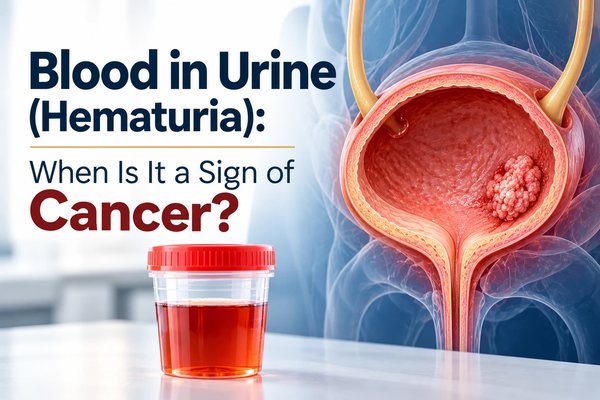
Blood in Urine (Hematuria): When Is It a Sign of Cancer?
Blood in the urine is one of the commonest early signs of Bladder and Kidney Cancer. The causes, the warning signs and the tests that are usually needed.
Read more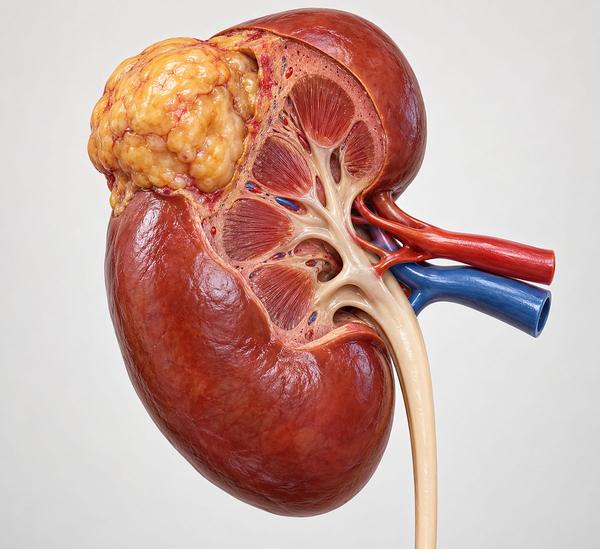
Partial vs Radical Nephrectomy: Can Your Kidney Be Saved?
Many Kidney Cancers can be removed while preserving the kidney. How the choice between partial and radical nephrectomy is made, and what recovery involves.
Read more
Gleason Score & Grade Group: Your Prostate Biopsy Report Explained
Gleason 3+4 or 4+3, Grade Group 1 to 5, positive cores and perineural invasion: what each part of a prostate biopsy report means for treatment.
Read more
Raised PSA: What It Means and What Happens Next
A raised PSA is a reason to look further, not a diagnosis. Common non-cancer causes, when to repeat the test, and how PSA density and MRI decide who needs a biopsy.
Read more
Recovery After Robotic Prostatectomy: A Week-by-Week Guide
The hospital stay, catheter care, getting back to work and driving, regaining bladder control and erections, and what your first PSA after surgery should show.
Read moreBCG Treatment for Bladder Cancer: What to Expect
Who needs BCG after TURBT, how each session is done, the six-week and maintenance schedule, common side effects, precautions at home and what happens if BCG does not work.
Read more
Intravesical Chemotherapy for Bladder Cancer: What to Expect
How chemotherapy given into the bladder lowers the chance of Bladder Cancer coming back, who needs a single dose or a course, how it compares with BCG, and how to manage side effects.
Read more
TURBT for Bladder Cancer: What Does Your Pathology Report Mean?
Low or high grade, Ta, T1 or T2, whether bladder muscle was sampled, CIS and variant histology: how each line of a TURBT report changes the next step.
Read more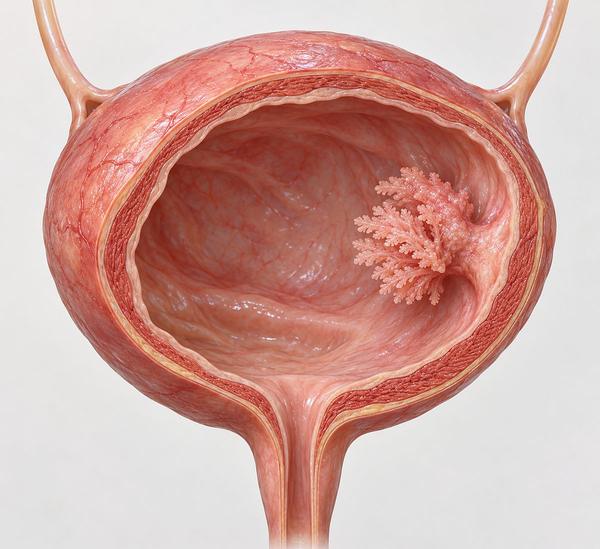
Muscle-Invasive Bladder Cancer: Is Radical Cystectomy Always Necessary?
When the bladder must be removed, when trimodality therapy can preserve it, robotic radical cystectomy, urinary diversion and how the decision is made.
Read more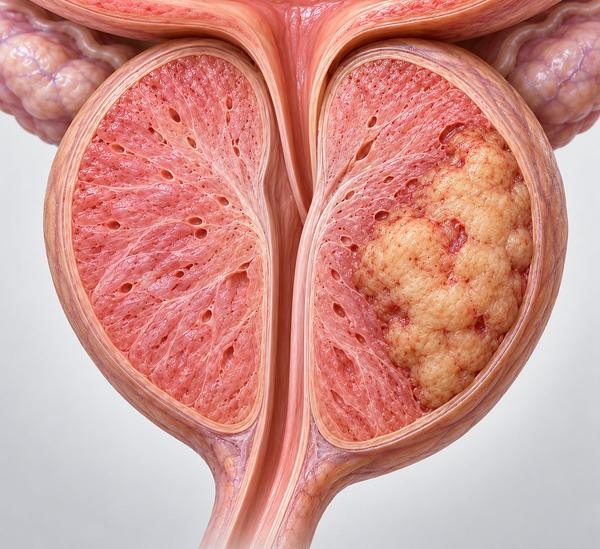
Prostate Cancer Is Not One Disease: Why Treatment Should Be Individualised
How PSA, MRI, biopsy grade and stage place Prostate Cancer on a spectrum, and how active surveillance, robotic prostatectomy and radiation fit different patients.
Read more
Active Surveillance for Prostate Cancer: Is Watching Safe?
Not every Prostate Cancer needs surgery or radiation. Who is suitable for active surveillance, what the follow-up involves and what makes doctors recommend treatment.
Read more
Testicular Lump: When Should You Worry?
Common causes of scrotal lumps, the features that suggest Testicular Cancer, how to check yourself, which tests are done and why speed matters.
Read more
Robotic, Laparoscopic or Open Surgery for Cancer: How Do They Differ?
What differs between the three approaches, what the evidence shows, when open surgery is still the better choice and what to ask your surgeon.
Read more
Robotic Partial Nephrectomy (RAPN): What Happens and What to Expect
Who is suitable for robotic partial nephrectomy, how the operation is done, what the risks are and how recovery and follow-up work.
Read more
Robotic Radical Prostatectomy (RARP): The Operation Explained
How robotic radical prostatectomy is done, who it suits, what nerve-sparing means, what the risks are and how to prepare.
Read more
Robotic Radical Cystectomy (RARC): What to Know Before Bladder Removal
Who needs bladder removal, how the robotic operation is done, ileal conduit and neobladder, the risks and what the first weeks are like.
Read moreMore articles are available on urooncoconnect.com/blogs.